Walter Peterson

Modern and Traditional custom buildings are two famous alternatives, each contributing singular aesthetics, layouts, and behavioral benefits. Understanding the key differences between these styles helps homeowners design a room that displays their taste, working needs, and complete aims.
This article compares new vs traditional custom homes, highlighting design flows, features, and rightness for various lifestyles.
Understanding Modern Custom Home Design
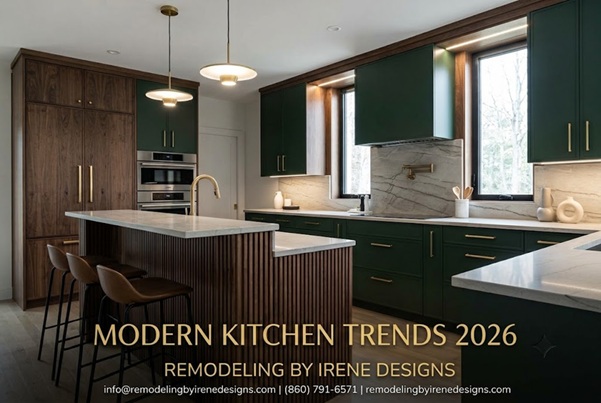
Modern custom homes stress clarity, performance, and change. These homes are created to indicate modern behaviours, emphasizing clean lines and productive use of space.
1. Key Design Features of Modern Custom Homes
Modern hometowns are outlined by:
- Minimalist architecture accompanying straight lines
- Open floor plans and responsive spaces
- Large windows and glass walls
- Neutral color palettes accompanying bold accents
- Flat or low-pitched roofs
Natural light plays a main role, with layouts created to blur the perimeter between indoor and outside living.
2. Latest Styles of Modern Houses
Current trends in new custom homes include:
- Smart home integration for illumination, security, and climate control
- Energy-effective materials and sustainable construction
- Seamless indoor-outside transitions accompanying patios and sliding doors
- Hidden depository and clutter-free interiors
Modern apartments appeal to homeowners seeking effectiveness, technology, and a sleek visual style.
Understanding Traditional Custom Home Design
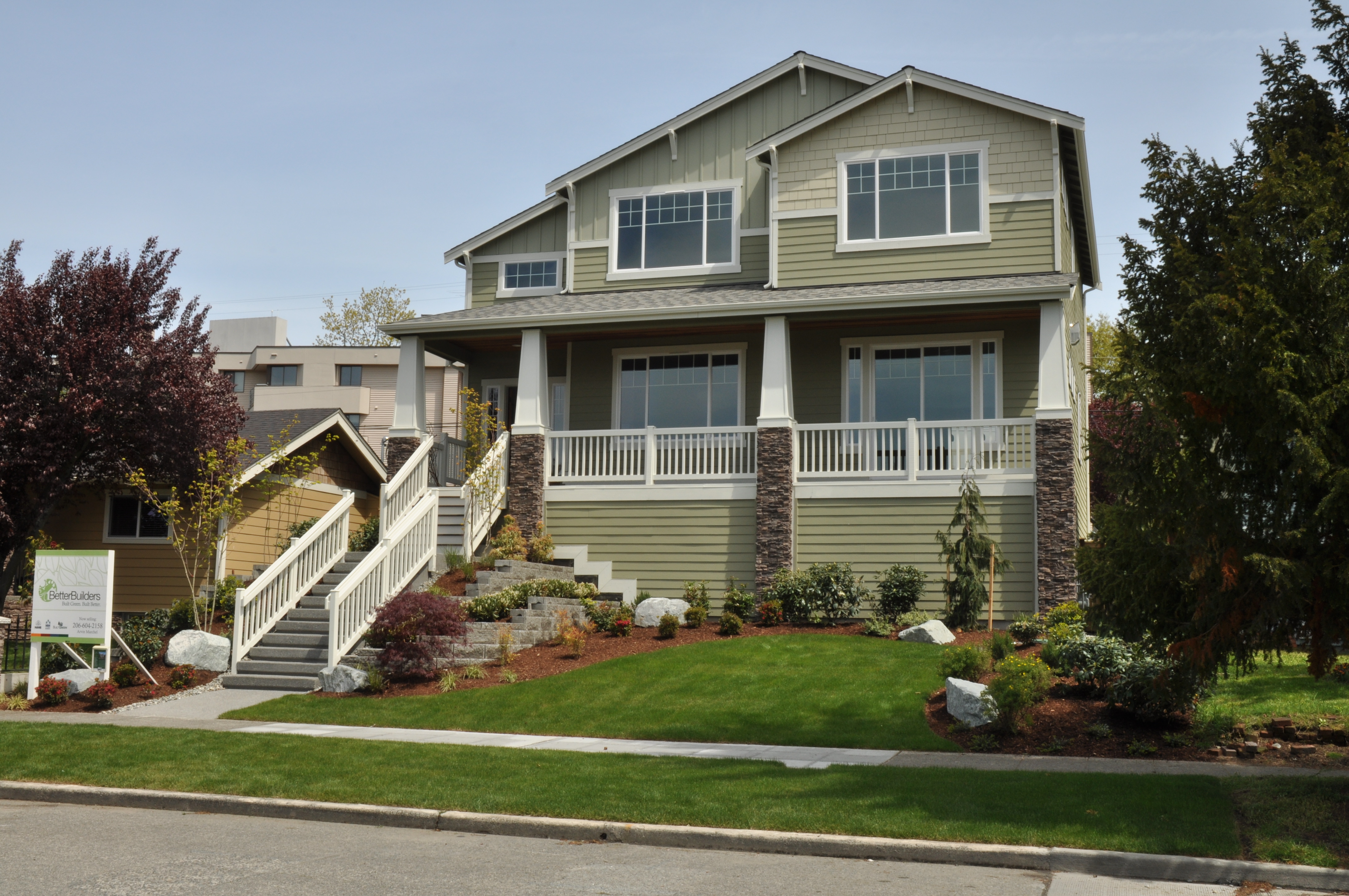
Traditional custom houses draw inspiration from classic architectural styles and eternal design elements. These residences focus on warmth, proportion, and detail.
1. Key Design Features of Traditional Custom Homes
Traditional homes frequently include:
- Pitched roofs and decorative gables
- Defined rooms with clear boundaries
- Detailed mouldings, trims, and melding
- Warm color schemes and natural matters
2. Popular Traditional Home Trends
Modern analyses of traditional practice homes include:
- Updated layouts accompanying larger kitchens and family rooms
- Blending classic design with new amenities
- Use of natural compositions like wood and stone
- Energy-efficient upgrades within established designs
Material & Finish Choices
Material choice further distinguishes new and traditional designs.
- New Houses use steel, glass, or wood ingredients for bathroom remodel. Finishes are smooth and understated.
- Traditional shelters favor brick, gem, hardwood, and beautifying finishes that add character and charm.
Energy Saving Technology
New custom houses often introduce energy efficiency and smart electronics integration. Features like solar panels, progressive insulation, and mechanized schemes are commonly incorporated into up-to-date designs.
Traditional homes can also obtain high strength efficiency through updated windows, insulation, and heating arrangements. However, these features are frequently subtly joined to preserve classic aesthetics.
Lifestyle Suitability
Choosing between modern and traditional design depends largely on lifestyle choices.
- Modern custom houses suit homeowners who value novelty, simplicity, and contemporary living. They work well for city settings and tinier plots.
- Traditional Houses are best for those who want defined spaces and a warm, classic air.
Families normally prefer traditional houses, but modern generations prefer new custom houses.
Cost Considerations
Construction costs change for both styles depending on matters, detailing, and complexity.
- Modern homes may weaken costs through simpler forms but increase expenses with glass, electronics, and custom finishes.
- Traditional homes may involve greater labor costs due to intricate specifications and craftsmanship.
An appropriate custom home in either style may be cost-effective when devised with clear priorities. You can also contact a general contractor for this purpose.
Conclusion
The choice between modern vs rule homes depends on personal taste, observable needs, and long-term concept. Modern homes offer clean aesthetics, adaptability, and mechanical adeptness, while traditional apartments provide eternal advantage, comfort, and integrity.
With custom home design, homeowners are not limited to individual style. Many choose to blend current functionality with usual pieces, generating a unique home that balances change and belief. By understanding these design styles, you can form informed decisions and design a custom home that really reflects your way of living.